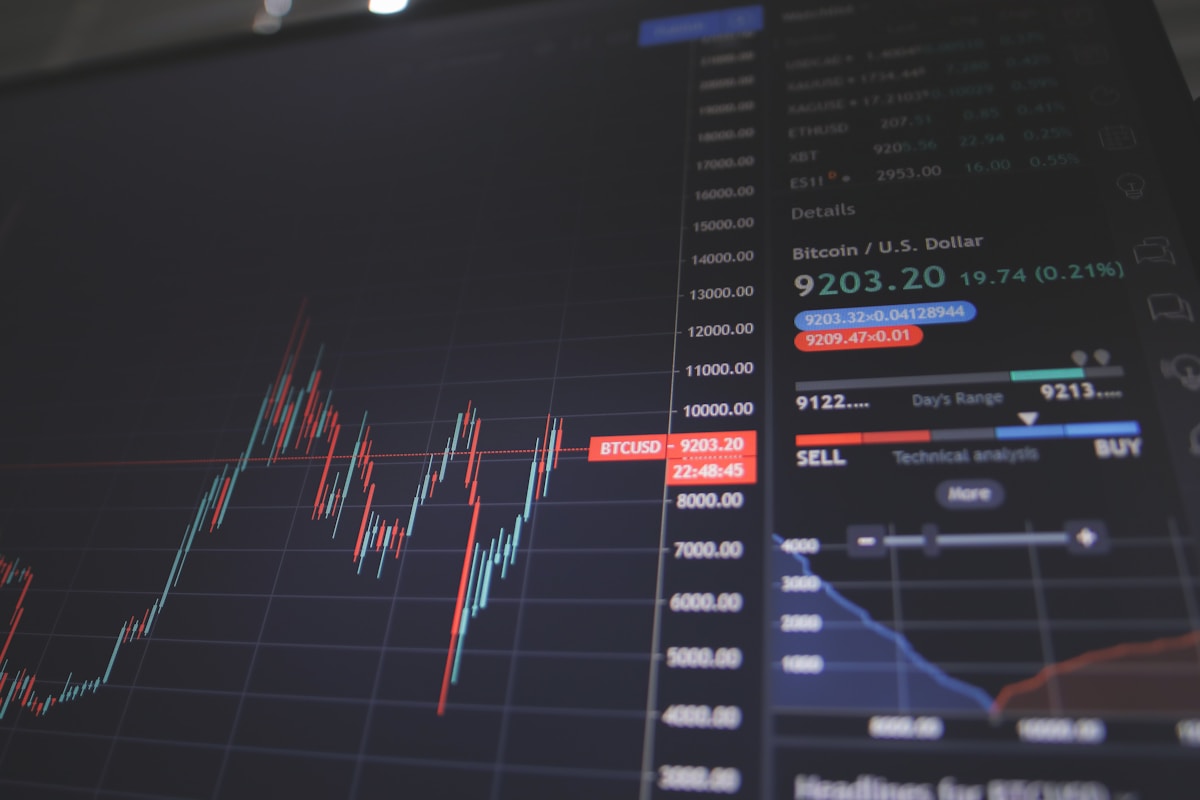
AI signals for gold combine price models, dollar strength, and yield data to flag XAU/USD setups — but gold's volatility means a good signal still needs strict risk rules. Here is how gold AI signals work and how to use them without blowing your account.

Archive: 2026
326 stories published in 2026
Fake AI trading bots promise guaranteed returns, hide their track record, and ask for withdrawal access to your exchange account. Here are eight red flags that mark a scam — and the five checks that prove a bot is real.
Copy trading looks like easy passive income, but it carries hidden risks: slippage, hidden leverage, drawdowns that mirror your leader's worst week, and the temptation to stop learning. Here are the risks and how to control each one.
In a sideways market, grid bots profit from every small bounce while DCA bots keep buying into a flat range. The grid bot usually wins on returns, but it carries a bigger blow-up risk if the range breaks. Here is the full comparison.
Some AI trading bots are genuinely profitable tools, and many are scams selling guaranteed returns. The difference is evidence: a verifiable track record, a tested strategy, and honest risk disclosure. Here is how to judge any bot before you pay.
Backtesting shows how an AI trading bot would have performed on past data before you risk real money. Here is a practical step-by-step process that avoids the most common testing mistakes.
Paid Telegram trading signals promise easy profits, but most fail on verification, risk management and timing. Learn how to judge a signal group before you pay anything.
The best beginner bot settings are conservative ones: small risk per trade, sensible position size, and low trade frequency. This guide gives you starting numbers you can actually use.
Fake AI trading bots promise guaranteed profits and disappear with your deposit. Learn the warning signs, the verification checks, and what to do if you have already paid.
Grid bots and DCA bots both aim to profit when prices move sideways, but they work in opposite ways. Compare how each behaves in a range, and which fits your risk tolerance.
Prop firm challenges have strict drawdown and consistency rules that many bots fail. Here is what actually works, what gets accounts banned, and how to check a firm's rules first.
Connecting a bot to Binance means creating an API key with the right permissions and the right limits. Follow this step-by-step guide to connect safely without giving the bot withdrawal access.
Every trading bot goes through drawdowns. Learn what level of drawdown is normal, what signals a broken strategy, and the exact rules for pausing or stopping a bot.
Copy trading follows a human trader; AI bots follow a coded strategy. Compare control, cost, risk and learning value to decide which is the better starting point for a beginner.