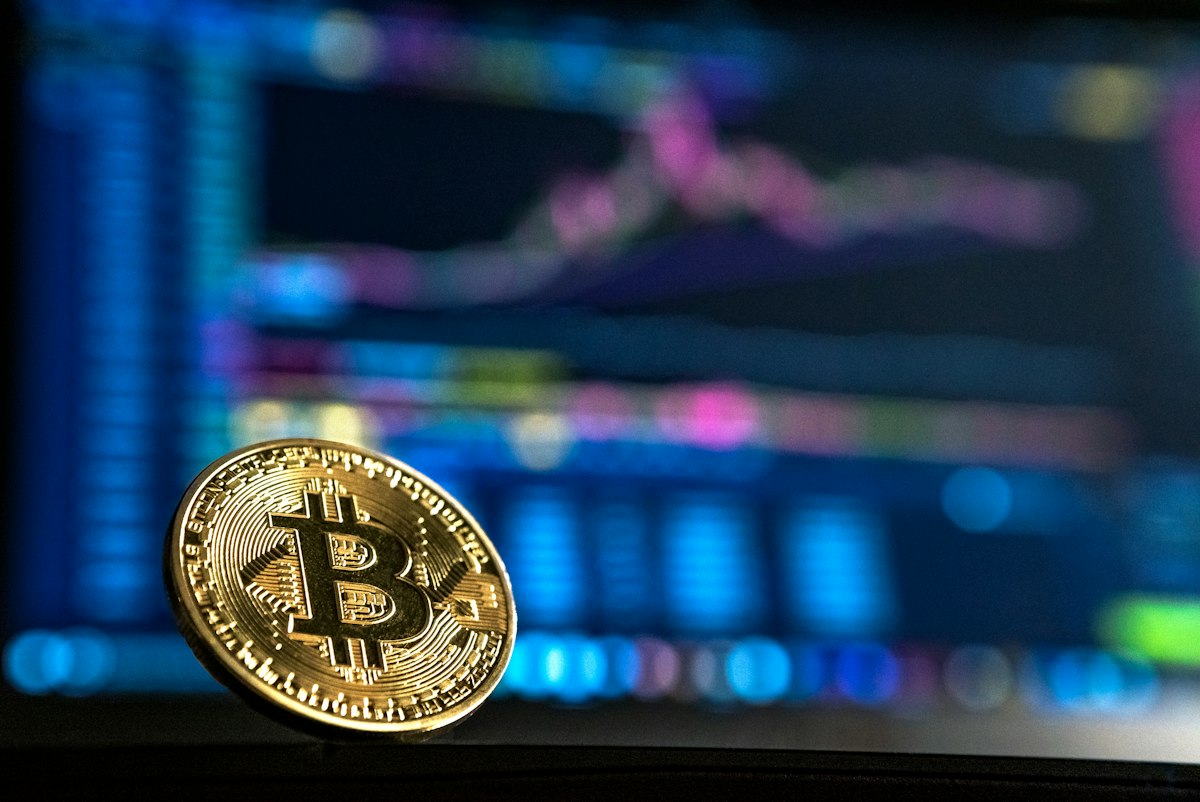
AI trading strategies decay because markets adapt, edges get crowded out, and models trained on past data face conditions they have never seen. This process, called alpha decay, affects nearly every quantitative strategy eventually.

Archive: 2026
316 stories published in 2026
Market regime detection classifies whether a market is trending, ranging, or highly volatile. Trading AIs use this classification to switch between different strategies, because models built for trends fail badly in sideways markets.
Depositing to Exness from Pakistan via Easypaisa is possible in practice, but not through a direct in-app button — it usually works through local exchangers, agents, or P2P arrangements. This guide explains exactly how Exness deposit methods available in Pakistan work, which routes are reliable in 2026, and what to watch out for before you send a single rupee. Always verify the recipient carefully and start small.
The question of whether Deriv is legal in Pakistan in 2026 does not have a simple yes-or-no answer. Deriv is a real, regulated broker offshore, but the State Bank of Pakistan restricts forex margin trading for residents — so this article explains what is actually permitted, what the grey area looks like in practice, and the risks Pakistani users should weigh honestly.
Reinforcement learning trains trading bots through trial and error, rewarding profitable actions over thousands of simulated episodes. It excels at execution and position sizing — but reward hacking and changing markets mean sim results rarely survive contact with live trading.
AI crypto traders feed blockchain data — exchange flows, whale wallets, stablecoin reserves — into models that spot supply-and-demand shifts before price reacts. It is a useful early-warning layer, but noisy data and broken correlations keep it from being a crystal ball.
AI bots fail during black swans because they only know history, and black swans have no precedent in their training data. Extrapolation breaks, correlations spike, and normal logic keeps running — which is why hard circuit breakers must sit outside the model.
Walk-forward optimization repeatedly trains on past data and tests on the next unseen slice, rolling through history. By forcing a strategy to prove itself on fresh data again and again, it exposes the curve-fitting that single backtests hide.
AI portfolios rebalance by monitoring drift from target weights and auto-trading the difference, with smart execution around taxes and costs. It is disciplined risk control on autopilot — not a return generator, and not free of tax and timing trade-offs.
Backtesting simulates a trading strategy on historical data to estimate its performance. Bots look better on paper because of overfitting, survivorship bias, and unrealistic fills that vanish in live markets.
Paper trading executes AI signals with virtual money on live market data. It reveals execution flaws, latency issues, and psychological gaps in a strategy before a single dollar of real capital is at risk.
Latency is the delay between your bot's signal and the broker's fill, measured in milliseconds. A VPS near the broker's servers cuts that delay, reducing slippage for scalping and high-frequency strategies.
Searching for the best forex broker in USA Reddit threads recommend? US traders consistently name NFA/CFTC-regulated brokers like OANDA, IG US, FOREX.com, and tastyfx. This article breaks down what Reddit praises and criticizes about each one. You will also learn the common complaints to watch for and how to pick the right broker for your trading style.
This guide shows how to verify a bot's live track record, test it on a demo account, and spot red flags. It helps buyers avoid scams and choose tools that fit their risk tolerance.
Grid trading places buy and sell orders at preset price intervals to profit from sideways movement. This article explains how AI bots run grids, where they fail, and how traders limit the damage.
AI trading signals can inform decisions but cannot replace a written trading plan. This article explains why position sizing, risk rules, and psychology still need a plan that signals alone do not provide.
Forex news spikes cause slippage, spread widening, and whipsaws that break many bots. This article explains news filters, execution safeguards, and why some traders simply switch bots off before major releases.
Overfitting makes a trading model look perfect on historical data while failing on live markets. This article explains how it happens, how to detect it, and which validation methods actually protect your capital.
Algorithmic trading uses code to execute strategies automatically based on predefined rules. Learn the basic building blocks, realistic costs, and a safe path from backtest to live trading.
Honest AI signal providers report 55-65% win rates on balanced risk-reward, not the 90% marketers advertise. Learn how accuracy is measured, why it decays, and the questions that expose fake track records.
Rule-based bots are transparent, stable, and easy to debug, while machine-learning bots adapt to new regimes but can fail opaquely. Choose based on your technical skill and how much unpredictability you can tolerate.
US forex traders face a short list of regulated brokers — which makes choosing easier, but the differences that matter are subtle. This guide breaks down the comparison framework that counts in 2026: NFA regulation, real trading costs, platform quality, and account minimums, with representative regulated brokers as examples.
Breaking coverage reported by Coinspot.io: Pionex Trading Bot Review 2026: 12 Built-In Bots, Fees & Safety. Our news desk tracks ongoing developments, statements, and community analysis in real time.
The 50/30/20 budget rule splits income into needs, wants and savings. Learn how it works, why it strains in 2026, and how to adapt it.