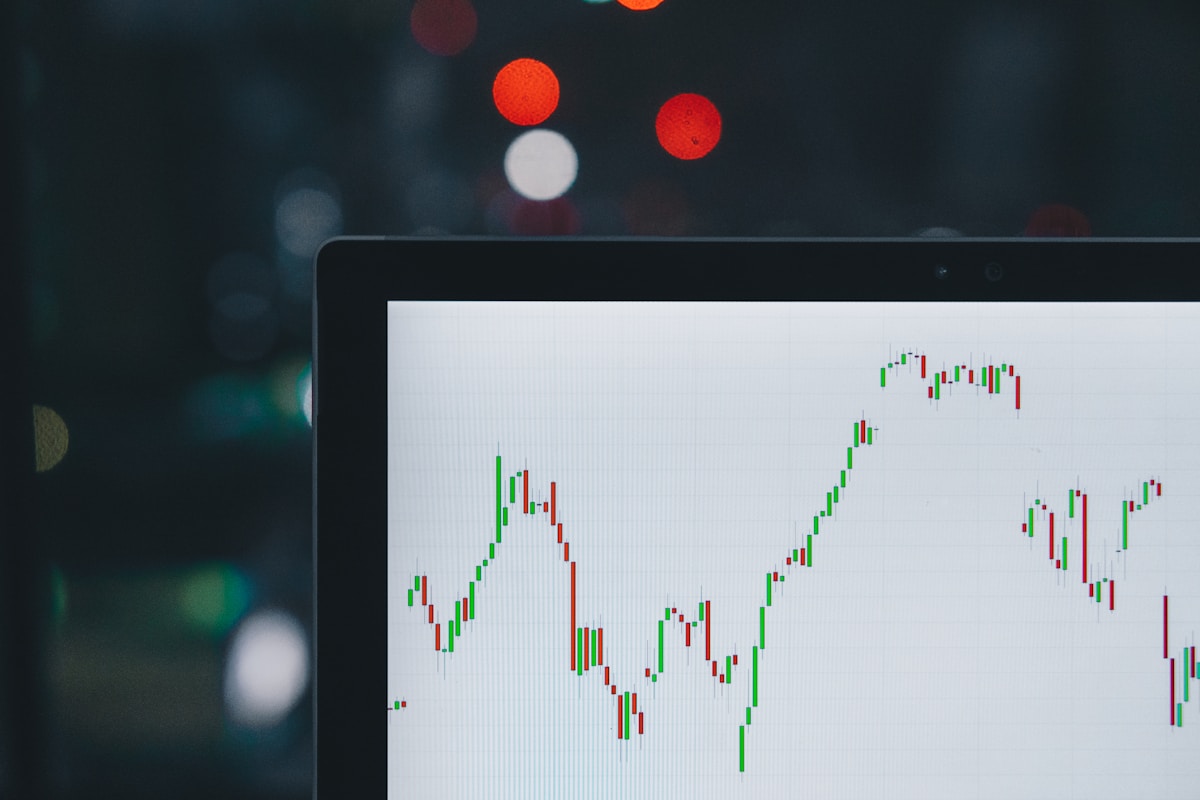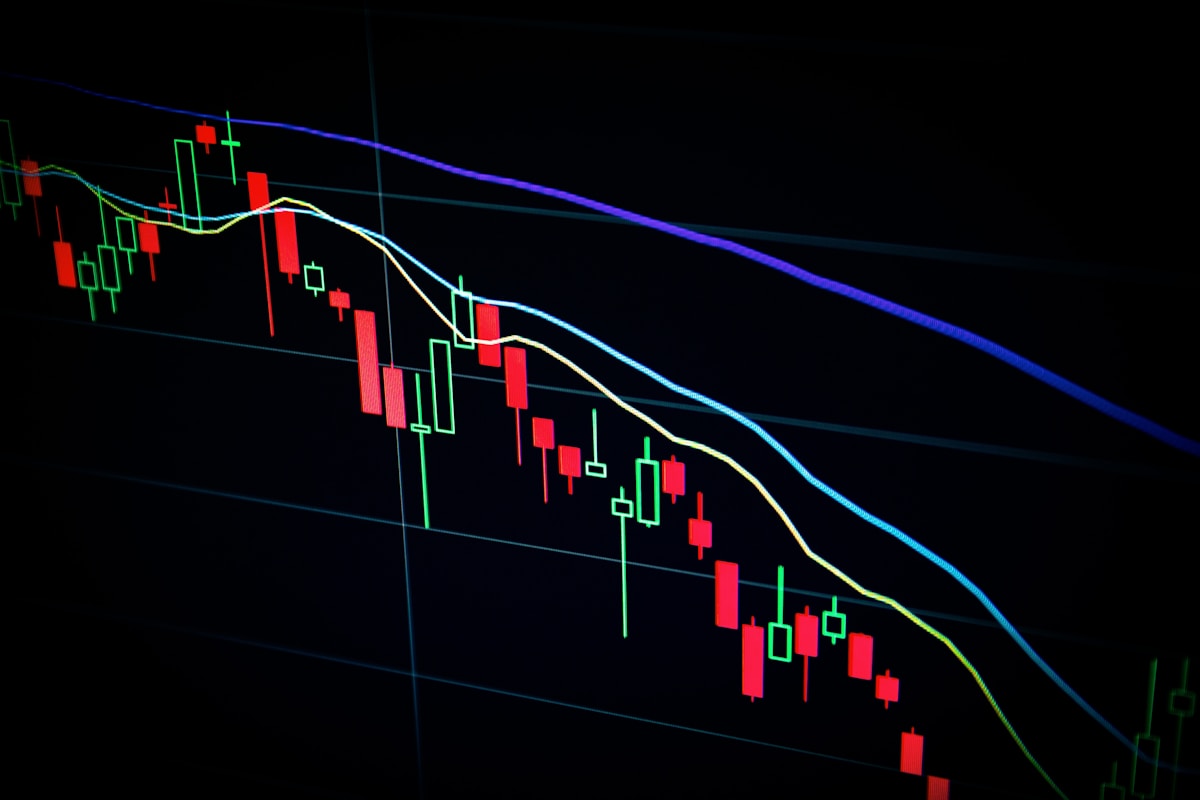
Arbitrage sounds like free money, but most cross-exchange gaps close before a retail trader can act. The forms that still pay in 2026 are funding rate and same-exchange triangular arbitrage, and both need speed and low fees.
Toobit has integrated AlgoWay, letting traders pipe TradingView alerts, Telegram signals, and custom webhooks straight into automated execution.
Autonomous AI agents are moving from experiment to infrastructure in crypto trading, with Robinhood reporting 150,000 agentic account openings and analysts projecting AI-powered trading as the industry norm by 2028.
Treasure Global's subsidiary Tadaa Capital signed an MOU to develop an AI-powered trading bot for real-world assets, combining Anthropic's AI with the Moniq market intelligence platform.
At TOKEN2049 Singapore, MEXC demonstrated AI agents that turn natural-language trading ideas into executed orders, alongside its AI Trading Challenge and CLI tools.
A practical walkthrough of the signal-to-execution pipeline: alerts, webhooks, order parameters, and risk controls that turn a trading idea into a filled order without manual clicks.
Your bot's backtest assumed instant fills at mid-price; live markets don't work that way. Learn where latency creeps in, how slippage is measured, and how to close the gap between tested and real performance.
Bots trade without emotion and never sleep; humans adapt to changing markets. Compare speed, discipline, cost and control to decide which approach — or blend — suits you.
Paper trading lets your bot prove itself on live market data without risking real money. Learn how to run a meaningful paper test, what metrics to watch, and when the results earn your trust.
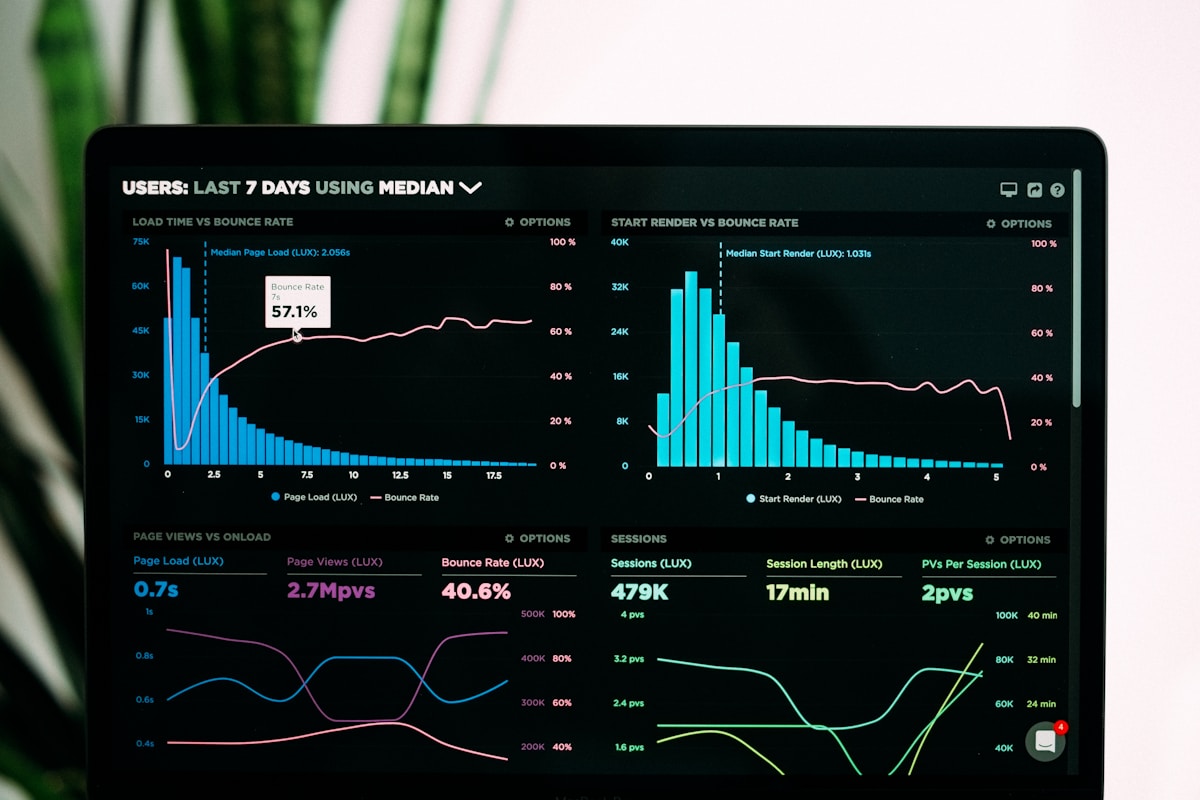
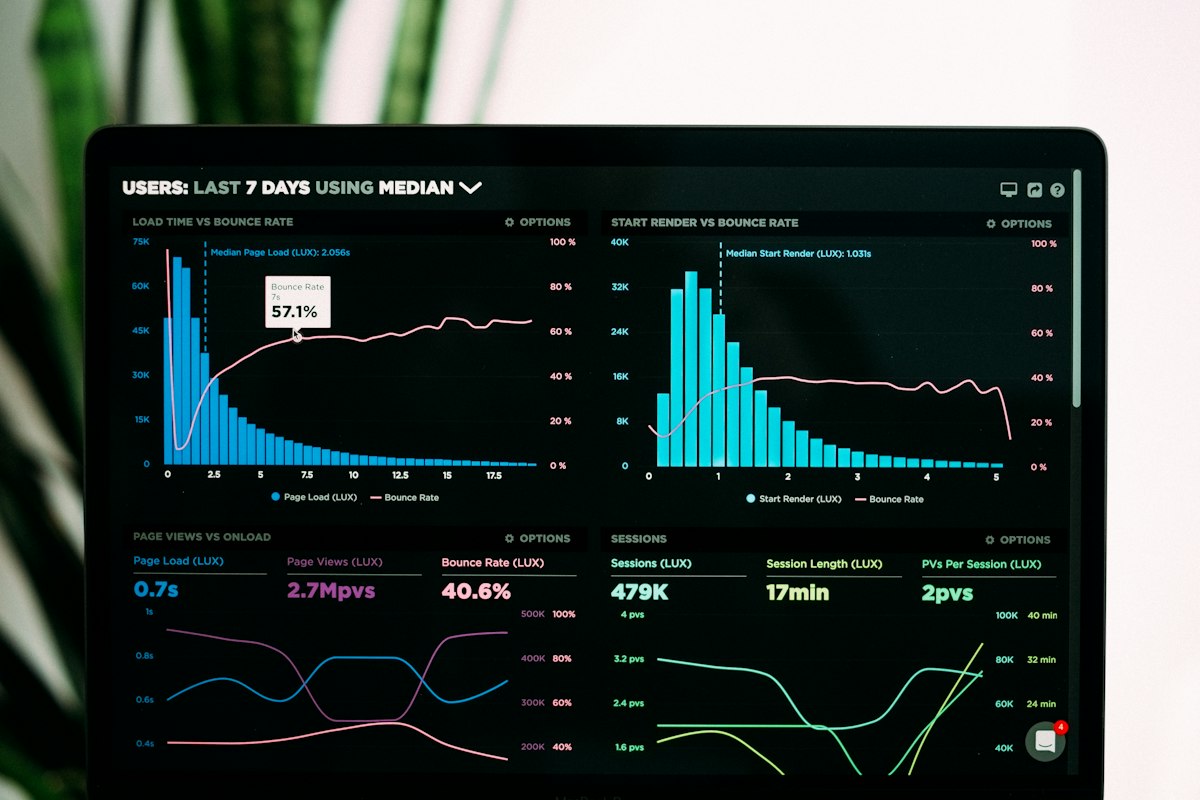
Bot dashboards flood you with numbers — win rate, profit factor, Sharpe ratio, drawdown. Learn what each metric actually tells you and which ones matter most before trusting a bot.
Most backtests lie — not on purpose, but because of overfitting, lookahead bias, and ignoring costs. Here is a correct backtesting workflow: clean data, walk-forward testing, realistic costs, and the metrics that actually predict live performance.
In a sideways market, grid bots profit from every small bounce while DCA bots keep buying into a flat range. The grid bot usually wins on returns, but it carries a bigger blow-up risk if the range breaks. Here is the full comparison.
Grid bots and DCA bots both aim to profit when prices move sideways, but they work in opposite ways. Compare how each behaves in a range, and which fits your risk tolerance.
Freqtrade is free, open source, and its FreqAI module trains real machine learning models on your own data. Here is what it does, how to set it up, and how to test a model before it touches real money.
TradingView alerts and webhooks can turn a strategy you already trust into a bot that executes while you sleep. Here is how the chain works, how to connect it safely, and the risk controls it needs.