AI Trading Bot vs Manual Trading: Which Wins in 2026?
- Primary Signal: AI Trading Bot vs Manual Trading: Which Wins in 2026?
- Overview: AI trading bots never sleep, never panic and never get tired, but they cannot think the way a human can. Compare bots and manual trading on speed, discipline, cost and adaptability...
- Verification: Analyzed and compiled by 1UpTrade Quant editorial monitoring desk.
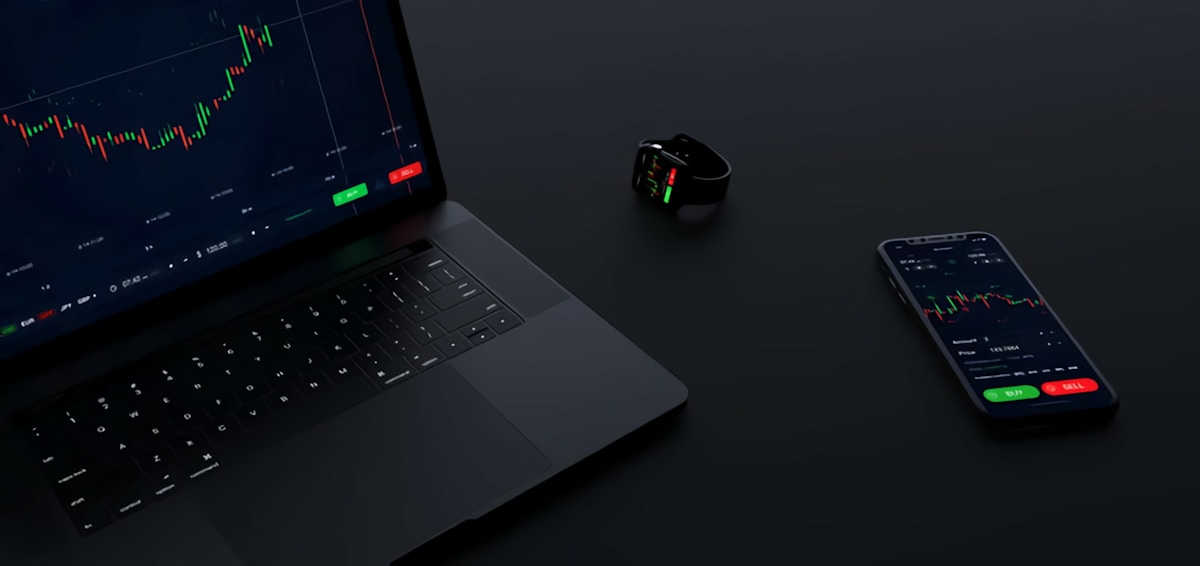
The debate between AI trading bots and manual trading has moved from forums to the mainstream, as bots have become cheap enough for retail traders to run. A bot can watch fifty markets at once, execute in milliseconds, and follow its rules without fear or greed. A human trader can read context, adapt to a regime change, and know when the rules themselves have stopped working. Both approaches win in the right hands, and both lose in the wrong ones.
Speed and Stamina: The Bot's Clear Edge
A bot's biggest advantage is that it never sleeps and never gets tired. Crypto markets run 24 hours a day, seven days a week, and the best moves often happen at 3 a.m. when human traders are asleep. A bot monitors every market, every minute, and executes the moment its conditions are met, without hesitation or delay. A human watching charts for twelve hours straight makes worse decisions in hour twelve than in hour one.
Speed matters for execution too. A bot can enter and exit a position in milliseconds, which is essential for strategies like arbitrage and scalping where the opportunity lasts seconds. A manual trader clicking through an interface is simply too slow for those games. If your strategy depends on being first, only a bot can play it.
Discipline: Where Humans Usually Fail
The second bot advantage is discipline. A bot follows its rules exactly, every time, without moving stops, doubling down after a loss, or closing winners early out of fear. Studies of retail trading consistently show that emotional mistakes cost human traders more than bad analysis does. A bot removes the emotion entirely, which is why even a mediocre bot strategy can outperform a good human trader who cannot control their impulses.
But discipline cuts both ways. A bot will also follow a broken rule set with perfect discipline, losing money methodically while a human would have noticed something was wrong. Discipline is only valuable when the rules are good, and keeping the rules good is a human job that never ends.
Adaptability: The Human's Clear Edge
Humans win on adaptability. When a central bank surprises the market, when a war breaks out, or when a new regulation changes a whole sector overnight, a human can understand the context and change course immediately. A bot trained on historical data has no idea what the news means; it just keeps executing the strategy that worked last month. Regime changes are where most bots die.
This is why the best-performing automated systems in practice are hybrids: a bot executes, and a human supervises, adjusts parameters, and switches the bot off when conditions change. The fantasy of a fully hands-off money machine is exactly that, a fantasy. The reality is a tool that needs a skilled operator.
Cost and Complexity Compared
Manual trading is cheaper to start: all you need is a broker account and a charting platform. A bot needs infrastructure, which costs money every month: a virtual private server, data feeds, and the bot software itself, whether bought or built. A serious bot setup can cost 50 to 200 dollars a month before it makes a single trade, which eats into small accounts quickly.
Complexity is the hidden cost. Building or configuring a bot requires either coding skills or a deep understanding of the platform, plus time spent backtesting and monitoring. A manual trader can start learning with a demo account in an afternoon. A bot trader needs weeks of setup before the first real trade, and the learning curve is steeper.
Which Should You Choose in 2026?
The honest answer is that most traders do best with a mix: manual trading for discretionary decisions and big-picture strategy, and a bot for the mechanical parts, such as executing a well-tested system around the clock or managing routine entries and exits. Start manual, learn how markets actually behave, and only automate a strategy you already understand and can trade profitably by hand.
If you automate first, you will not know whether a losing month means the strategy is broken or the market has changed, and you will not know how to fix it. Learn the craft manually, then let the machine do the repetitive work. That order matters more than any choice of bot or platform. This article is educational only and is not financial advice. Automated trading carries a high risk of loss; never trade with money you cannot afford to lose.
More from 1UpTrade Quant