Grid Trading Bot Setup Guide: How to Configure Your First Grid
- Primary Signal: Grid Trading Bot Setup Guide: How to Configure Your First Grid
- Overview: A grid bot buys low and sells high inside a price range, over and over, without you watching the screen. Learn how to pick the range, set the grid spacing and size your orders for ...
- Verification: Analyzed and compiled by 1UpTrade Quant editorial monitoring desk.
A grid trading bot is one of the simplest automated strategies in crypto, and that simplicity is why it is usually the first bot a beginner sets up. The idea is easy to picture: you pick a price range, the bot divides it into a series of buy and sell orders, and every time the price crosses one of those levels it trades. Buy low, sell high, repeat, all day and all night, without you touching anything. In a sideways market it can quietly collect dozens of small profits. In a trending market it can quietly lose money, which is why the setup matters far more than the bot itself.
How a Grid Bot Actually Works
A grid bot starts with three decisions: the upper and lower price limits, the number of grid lines between them, and the amount invested per line. Suppose Bitcoin is trading at 90,000 dollars and you set a grid from 80,000 to 100,000 with 20 lines. The bot places buy orders below the current price and sell orders above it, spaced 1,000 dollars apart. When the price falls to 89,000, the bot buys; when it rises back to 90,000, the bot sells that same amount for a profit. Each completed round trip banks the grid spacing minus fees, and the process repeats as long as the price stays inside the range.
The profit per trade is small by design, usually a fraction of a percent, so a grid bot earns its money through frequency rather than size. In a choppy market it can complete many round trips a day. The catch is that if the price falls to the bottom of the grid, the bot has bought at every level on the way down and is fully invested, with no cash left to trade.
Choosing the Range and Grid Spacing
The range is the most important decision in the whole setup. Look at the last one to three months of price history and pick a range that covers most of the recent movement. For a coin like Bitcoin, a range of 10 to 20 percent around the current price is a reasonable starting point.
Grid spacing is the second decision, and it is a trade-off between frequency and profit per trade. Tight spacing means more trades but smaller profits, and each trade pays fees, so there is a minimum spacing below which the bot loses money on every round trip. As a rule of thumb, the spacing should be at least three to four times the trading fee on your exchange. With a 0.1 percent fee per trade, that means a minimum grid spacing of around 0.4 to 0.8 percent, and many traders use 1 percent or more for safety.
Position Sizing and Capital for a Grid
The capital a grid needs depends on the number of grid lines and the amount per line. With 20 lines and 50 dollars per line, the bot needs 1,000 dollars, and that money is committed for as long as the grid runs. Start with the smallest amount your platform allows, run the bot for two weeks, and only scale up once you understand how it behaves in your chosen market.
Choose a pair with good liquidity and moderate volatility. Large, established coins such as Bitcoin and Ethereum are the safest starting point, because their ranges are more stable and their order books are deep. Small, low-liquidity coins can produce wild swings that break any grid in hours. Avoid brand-new tokens entirely; a grid bot cannot protect you from a coin that falls 50 percent in a day.
The Biggest Weakness: Strong Trends
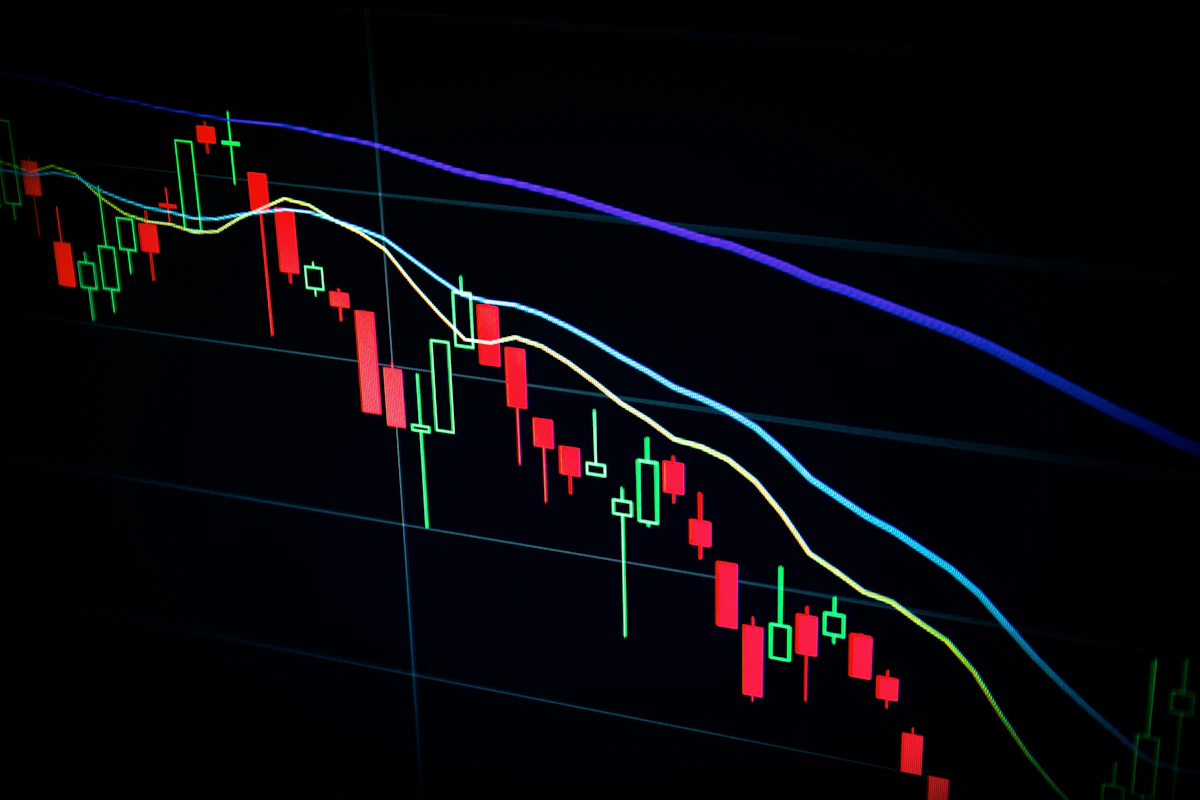
Every grid trader must understand the strategy's fatal flaw: grid bots fail in strong trends. In a strong uptrend, the bot sells at every level on the way up and ends up holding cash while the price keeps rising, missing most of the move. In a strong downtrend, it buys at every level on the way down and ends up fully invested in a falling asset. The bot has no opinion about direction; it simply follows its rules, and its rules assume the price will keep coming back.
That is why the best time to run a grid is a sideways market with no clear trend, and why you should check the trend before starting one. If Bitcoin has just broken out of a month-long range with strong momentum, that is the worst moment to start a grid. Start grids when the market is choppy and directionless, monitor them weekly, and be ready to stop the bot when a real trend begins. A grid bot is a tool for one kind of market, not a machine that prints money in all of them. This article is educational only and is not financial advice. Automated trading carries a high risk of loss; never trade with money you cannot afford to lose.
More from 1UpTrade Quant