Grid Trading Bot Settings: Range, Spacing and Capital Explained
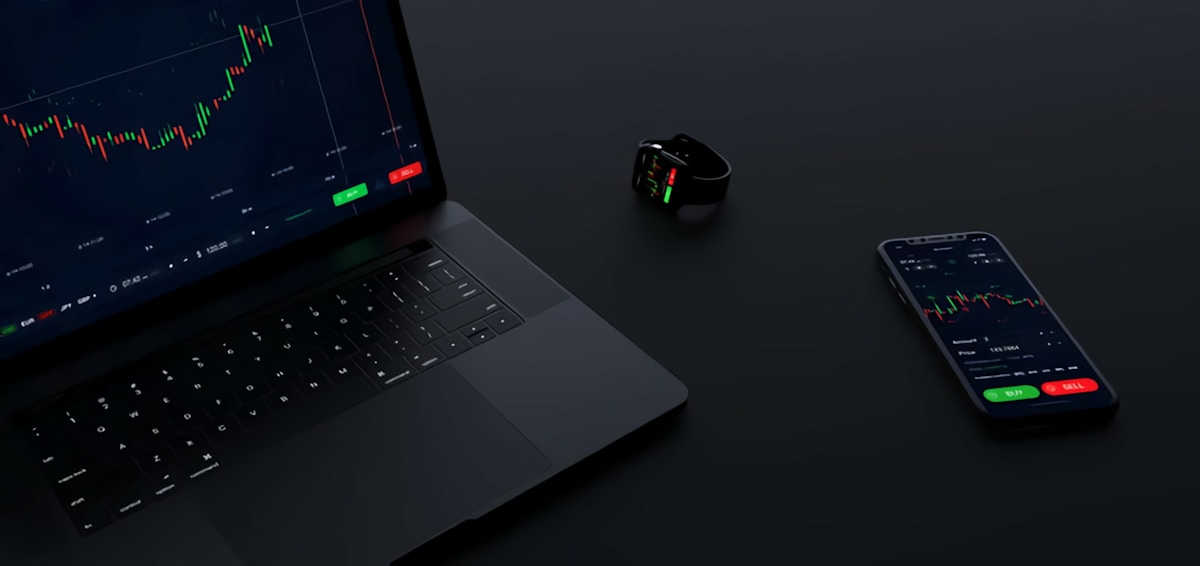
- Primary Signal: Grid Trading Bot Settings: Range, Spacing and Capital Explained
- Overview: How to configure grid trading bot settings: choosing the price range, spacing levels so fees do not eat profits, capping capital per grid, and adding range-break protection....
- Verification: Analyzed and compiled by 1UpTrade Quant editorial monitoring desk.
Grid trading bot settings decide whether a grid strategy quietly accumulates small profits in a ranging market or bleeds capital when price trends away. A grid bot places buy and sell orders at regular price intervals within a chosen range, profiting from oscillations as price bounces between levels. The concept is simple, but the settings, range, spacing, levels, and capital per level, determine everything, and careless settings turn a sound idea into a loss-making machine.
The range is the most important setting. It should reflect a price zone where the asset has genuinely oscillated, identified from recent support and resistance on a higher timeframe, not a guess or a round number. A range set too narrow means price quickly breaks out and the bot stops trading, leaving capital idle or stuck in open positions. A range set too wide spreads orders thinly and reduces profit per bounce. Review the range weekly, because ranges that worked last month may be irrelevant after a trend change, and a bot left on a stale range is a common source of grid losses.
Grid spacing and the number of levels control the trade-off between frequency and profit per trade. Tight spacing creates many small trades, which looks productive but racks up fees that can exceed the profit on each bounce, especially on pairs with wider spreads. Wide spacing produces fewer, larger profits per trade but leaves capital waiting longer between fills. A practical starting approach is to size spacing so that each completed round trip comfortably exceeds total fees by a clear margin, and to keep the number of levels modest rather than maximising trade count.
Capital per level deserves as much attention as the range. The total grid capital should be a small, defined share of your account, commonly capped around five percent for a single grid, so that a trending market cannot trap an outsized sum. Divide that capital evenly across levels or weight it toward levels you consider stronger, but never allocate the full amount to a grid without a plan for what happens if price breaks the range. Decide in advance whether the bot stops, whether open positions are held, and at what point you intervene manually.
Risk controls are not optional for grid bots. Set a stop loss for the overall grid or an exit rule if price moves decisively beyond the range, because an unprotected grid in a strong trend keeps buying into a falling market, accumulating losing positions all the way down. Use a maximum drawdown circuit breaker for the grid, cap total exposure, and avoid running multiple grids on highly correlated pairs, which silently multiplies the same directional bet. Backtest the settings across ranging and trending periods separately, since a grid that shines in a range usually suffers in a trend.
Once live, monitor the grid's fill rate, fee ratio, and open exposure daily at first. If fills are too frequent relative to profit, widen spacing. If price sits outside the range for days, reassess the range rather than hoping for a return. If fees consume more than a small share of gross profit, reduce levels or switch pairs. Grid trading rewards patience and maintenance, not set-and-forget optimism, and the traders who profit consistently are the ones who treat settings as a living decision, reviewed regularly. Risk note: grid trading bots can lose money, especially in trending markets, and this article is educational, not financial advice.
Finally, never run a grid bot and forget it: schedule a weekly review of range, fills, and fees, because markets change and a grid that fitted last month's range may be badly positioned for this month's trend.
📖 Continue Reading the Full Story
Continue reading this article on 1UpTrade Quant.
⚡ Access Full Content NowMore from 1UpTrade Quant



 📈 FreeRich FIRE
How Do Prop Trading Firms Handle Applicant and Partner Calls Around the Clock?
Prop firms attract global applicants across every time zone. Here's how an AI receptionist answers in your bra...
 🎁 Get Rich Free
Side hustles you can start from your phone today: A Practical Beginner's Guide
This guide explains side hustles you can start from your phone today in plain language, with practical steps, ...
 💰 Free2Rich Online
How to Start a Print on Demand Store for Free: A Beginner's Step-by-Step Guide
Print on demand lets you sell custom shirts, mugs, and posters without inventory or upfront costs. Follow this...
 🪙 FreeFortune Crypto
How to Farm Crypto Airdrops Safely: A Beginner's Guide to Real Users, Not Bots
Airdrop farming rewards early, genuine users of new protocols. Learn how to choose projects, behave like a rea...